

Explaining Your Art
isn’t always necessary
This piece is part IV of my ongoing Photographic Ramblings. I hope you enjoy ~
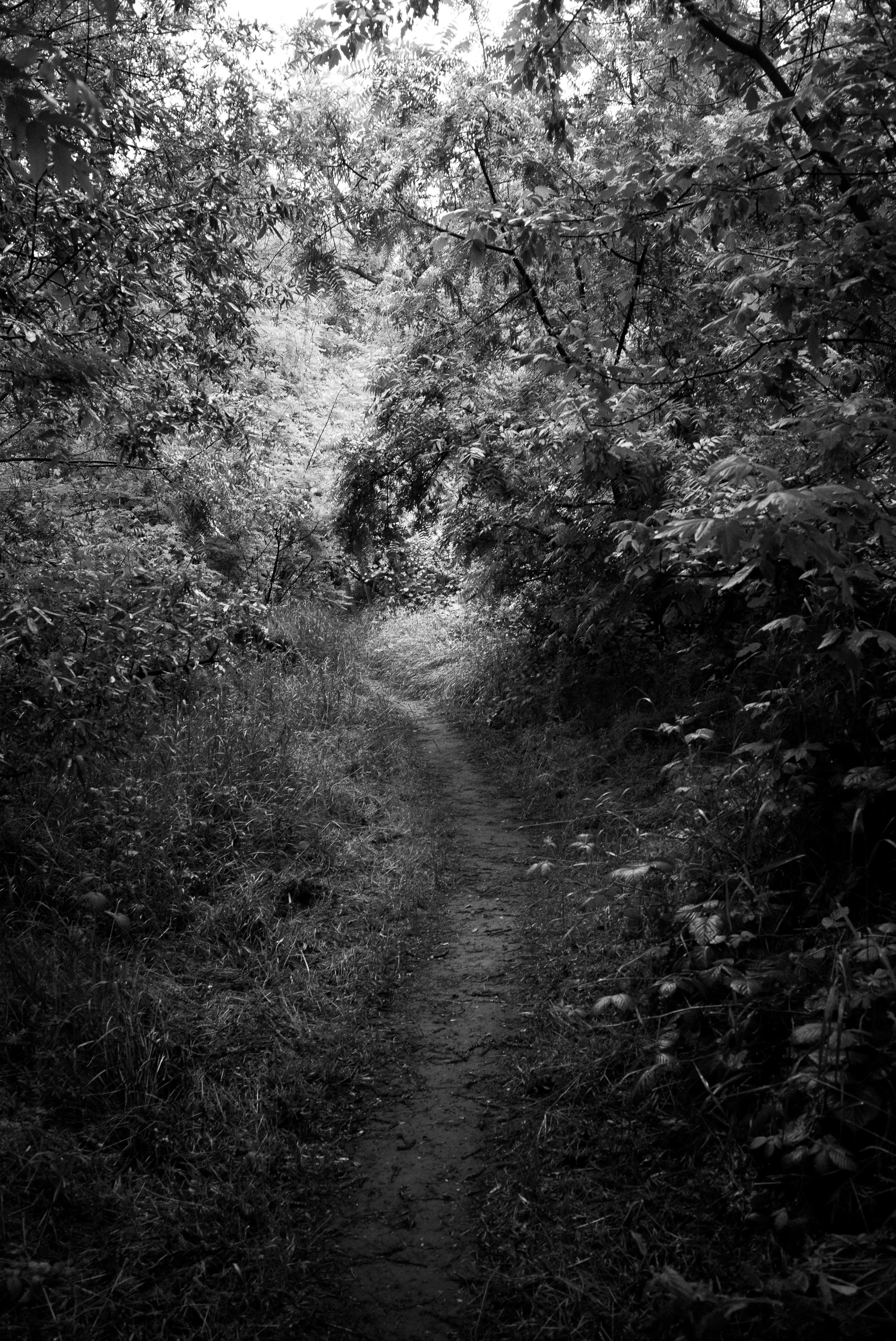
I’ve been thinking a lot lately about how I want to continue this current project I’m working on and eventually share it once the time comes. It’s a body of work made along a 2-mile stretch of the lower American River here in Sacramento; an area I’ve been drawn to/obsessed with over the past few years (as some of you have noticed). It’s also an area that has taken on many different forms in terms of projects, scope, perspective, etc. The first draft—a draft I’ve become detached from—can be seen here: FIELD NOTES: AMERICAN RIVER. A more recent “offshoot” would be The Duality of Winter.
This time around, I’ve been heavily considering how much I want to explain the work and what it all encompasses. There really isn’t any multi-layered story behind it nor any references to other works of art, history, etc. It’s simply a collection of photographs made during the spring months alongside the river.
Nothing more, nothing less.
When we are in the throes of our project(s) I’ve noticed that some of us tend to over-explain, over-analyze and/or over-connect our works with these poetic/abstract passages or ideas. I say “we” because I am guilty of this as well. We believe the explanations can only help “sell” the project by having it make more “sense” to not only us but the viewer. And sometimes it works…sometimes a poetic backstory or through-line does indeed help but that isn’t always the case.
In this world of photography and art in general, interpretation and meaning is something we need to individually hold onto; something we need to continually work on and practice more than ever. The ever-changing interpretations and meanings we form are personalized responses that should come from our own values, imaginations, past experiences, etc. Matt touches on this idea in his latest book review:
“We are babied and handheld through much of art these days, being told what it is, how to look, read, listen, and ultimately enjoy something that we aren’t given a mind of our own, and even worse, a space to freely come up with or arrive at our own conclusions and interpretations.”

Don’t get me wrong, some projects with strong historical, social, political reference(s) and/or something else that inspired the work may help the viewer gain a more in-depth understanding of the work and also the artist behind it. But there is a fine line between explaining your work to others in a sufficient manner and over-explaining it to the point where it feels like the viewer needs to do homework in order to just enjoy the work. That fine line is a subjective measure as it is different with each and every body of work we encounter.
~
I’m a firm believer in letting the art speak for itself (a cliché, I know). Ironically enough, our creations usually have more to say about themselves than we can express with our own words. I struggle with accepting this when I go down the dreaded rabbit-hole of forcing my projects to be interwoven with these deep-rooted connections.
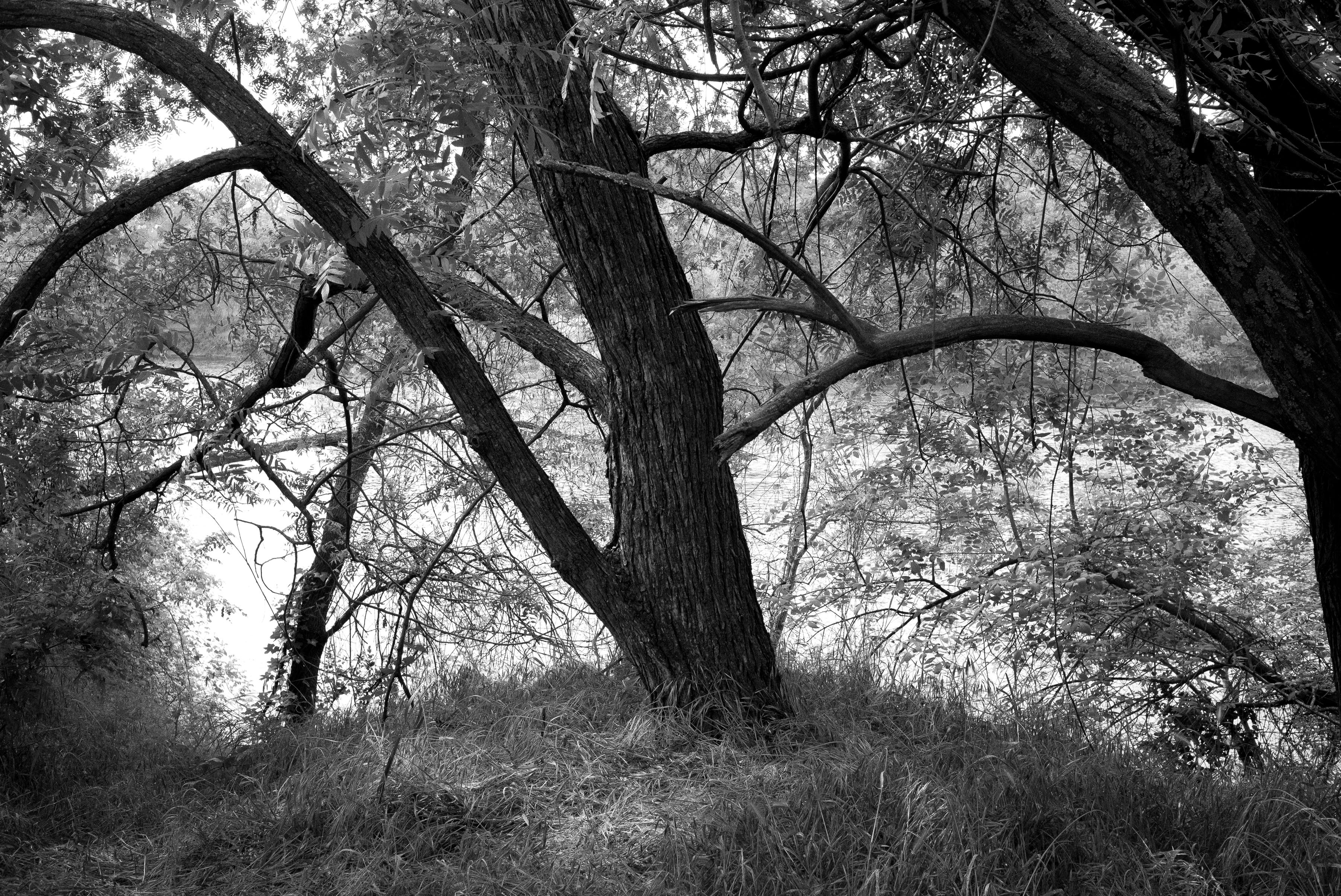
At the end of the day, a lot of the work I make is simply a result of whatever locale I am currently fixated on. And for the past few years, that locale has been the lower American River; a place that feels like home to me.
Creations can and will just exist. Art doesn’t always need to make sense.
It’s okay to just make work because you want to. Elements of mysteriousness and open-ended concepts are important for not only our individual imaginations but also for the sake of art itself. The work we make can and will evolve over time, quite like the landscapes surrounding us.
Make art that feels and comes natural to you. Don’t force it. Let it come and go.
And don’t explain too much…
This speaks so much to me. I have been thinking about this lately, too! Sometimes I struggle, thinking I need to write a long explanation filled with deep meaning and philosophical meanderings about a body of work. As if the joy and effort of photographing something meaningful to me isn‘t enough. It is funny, though, because I often enjoy looking at photographs more when they don‘t come with words. Words can sometimes be helpful, but sometimes overexplaining can ruin a photograph (or a sequence of photos) for me.
I agree with your point: today “explaining” is often mistaken for having to persuade, influence, or seek approval. And that can push artists to overload the work with words, as if the images on their own weren’t enough.
At the same time, I think a certain level of explanation is often useful—and sometimes necessary—in many projects: not to make everything “clear” at all costs, but to offer a minimal context, guide attention, and connect the dots when the idea is complex.
That said, I don’t believe a photographic project must always aim for total clarity. Sometimes it’s right to leave room for free interpretation; other times the work already stands fully on its own and doesn’t need to be “closed” by an explanation.
For me, the key is the balance: the explanation should add value, but remain in service of the project, without replacing the images or steering the viewer too strongly. In that sense, I really relate to your invitation not to force things, and to let the work breathe.