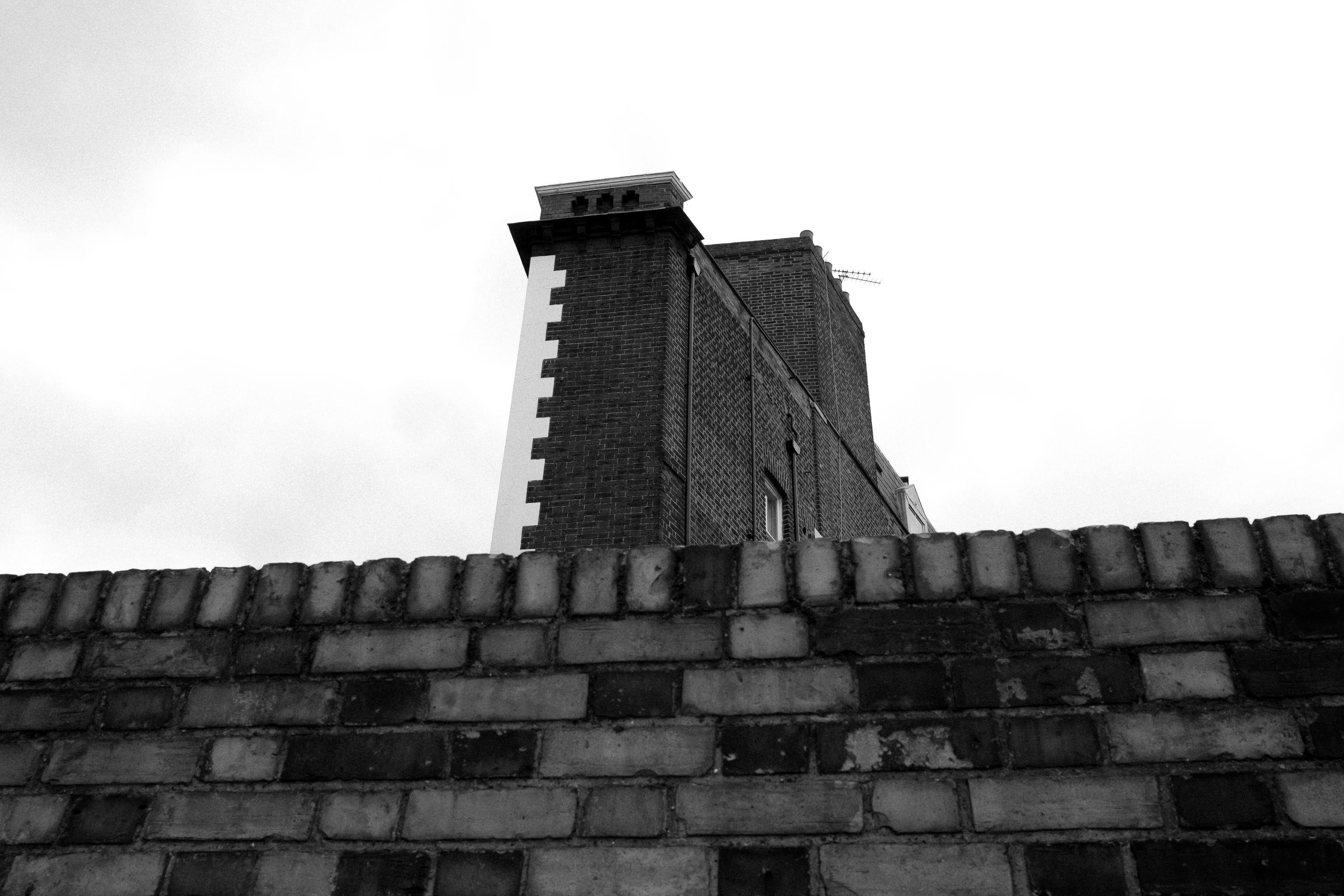
The Thin House in South Kensington, London. Built by William Douglas in the late 19th century on an area of land leftover after the construction of the South Kensington tube station. Its narrowest side (seen here in the photograph) is only 6’ wide. // source: Secret London
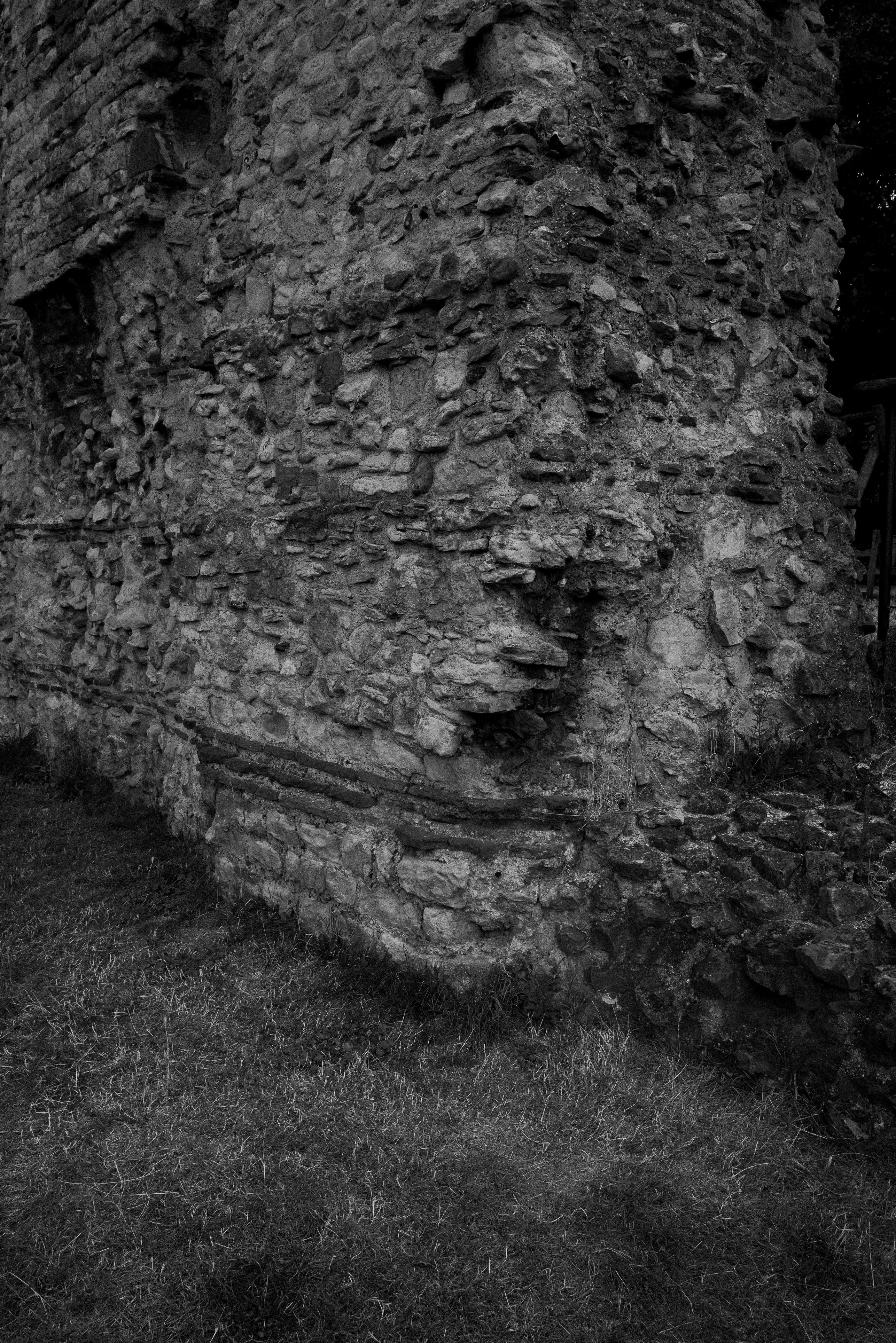
One of the last sections of the London Roman Wall, built around AD 200. Roman London was, from around 120–150, protected by a large fort, with a large garrison, that stood to its north-western side. The incorporation of the fort's walls gave the walled area its distinctive shape in the north-west part of the city. // source: Wikipedia
A lovely Tamworth Pig in the Isle of Dogs. The Tamworth is recognized as the purest British breed of pig and is regarded as being of a rather primitive type, being a very distinctive pig with long legs, prick ears with a pure red or ginger coat. // source: Mudchute Park and Farm
Paris:
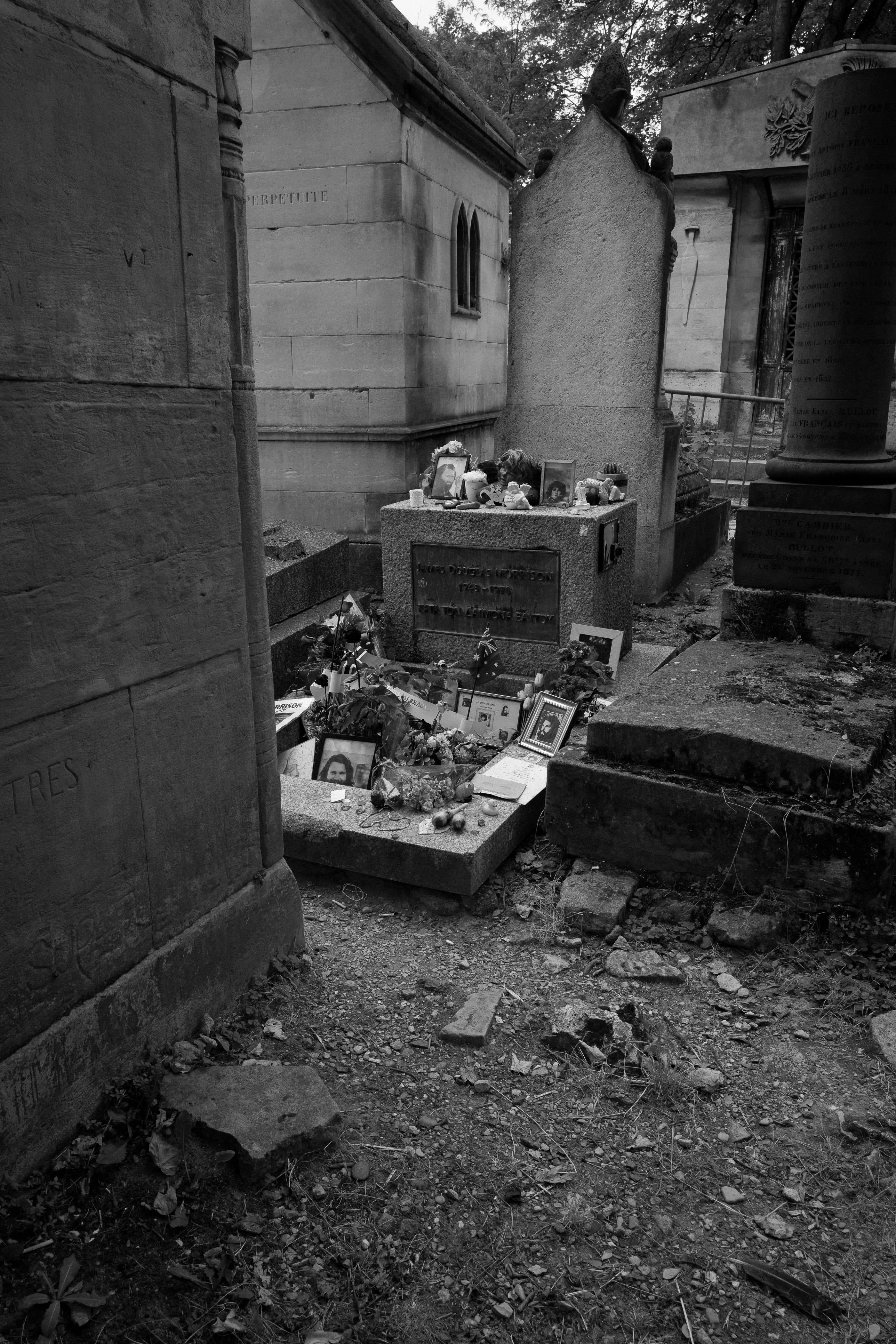
An American Sleeps in Paris. Jim Morrison’s (of The Doors) grave in Paris’s Père-Lachaise cemetery. Jim spent the last six months of his life in Paris where he hoped to get “clean” and write more poetry. Below his name and years of his birth and death on the plaque, there is a famous ancient Greek inscription kata ton daimona eautou (which can be translated as “true to his own spirit” or “true to his own demon”) // source: Cairn.info
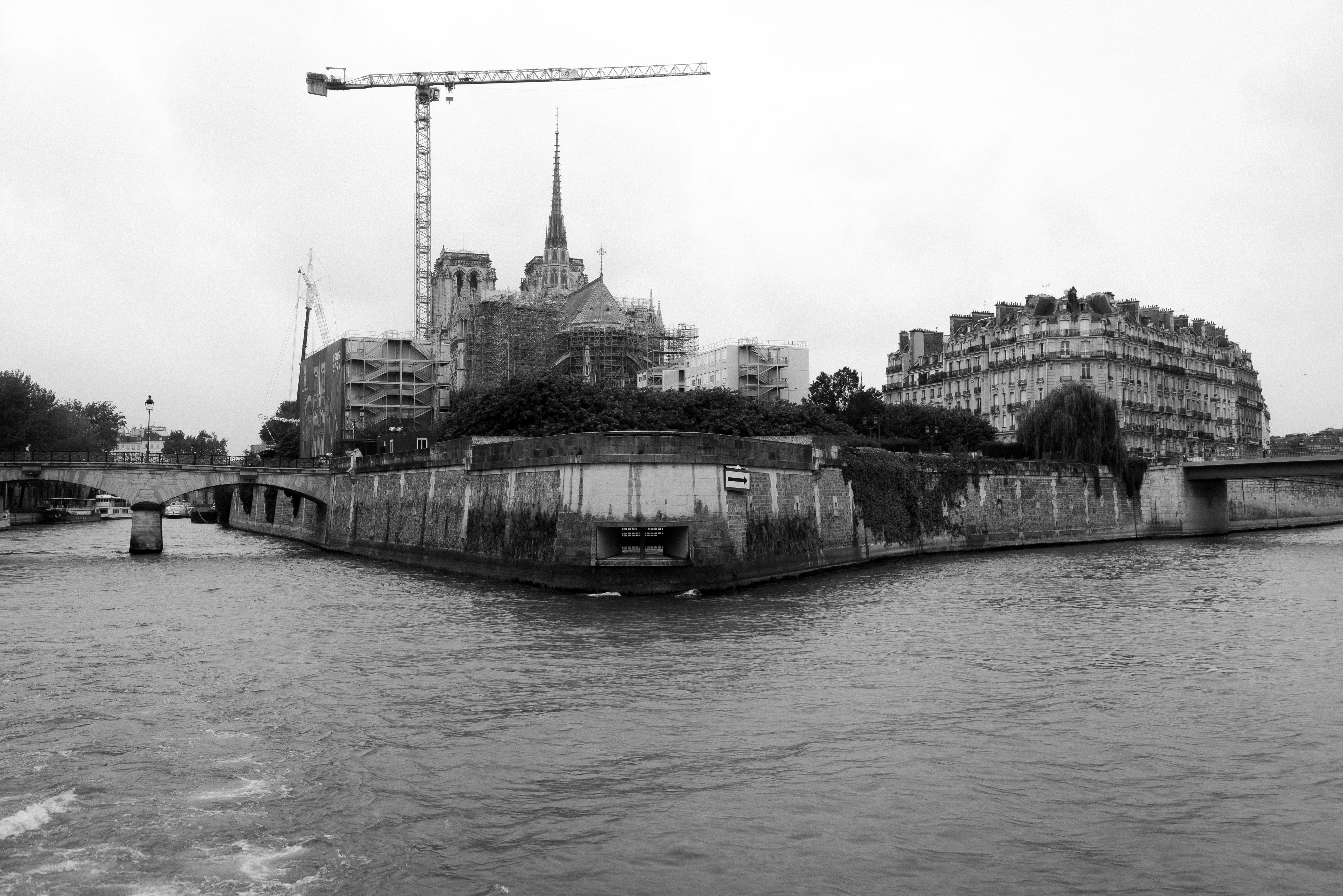
Île de la Cité as seen from the eastern side on the River Seine. This small island is where Paris essentially started. A Gallic settlement, called Lutetia, may have existed on the island since at least the 3rd century BC. In the 4th century, it was the site of the fortress of the area governor for the Roman Empire. The island may have served the Parisii (a small Gallic tribe) as a convenient place to cross the Seine, a base for a flourishing trading network by river, and a place of refuge in times of invasion. // source: Wikipedia
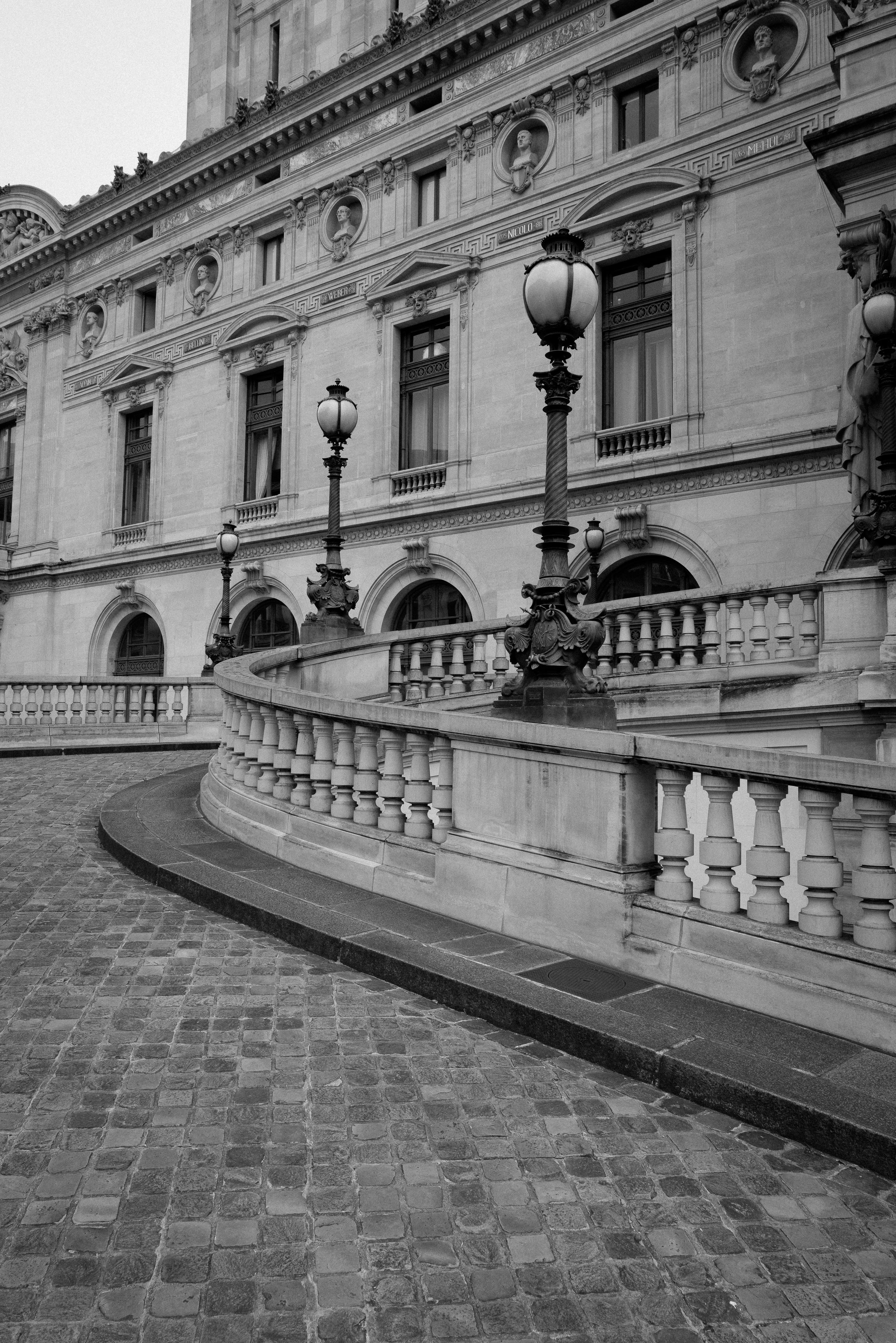
Out front of the Palais Garnier. This opera house was built for the Paris Opera from 1861 to 1875 at the behest of Emperor Napoleon III. A hidden arm of the River Seine was found underneath the building after workers were digging the foundations. // source: Wikipedia, The New York Times
Amsterdam:
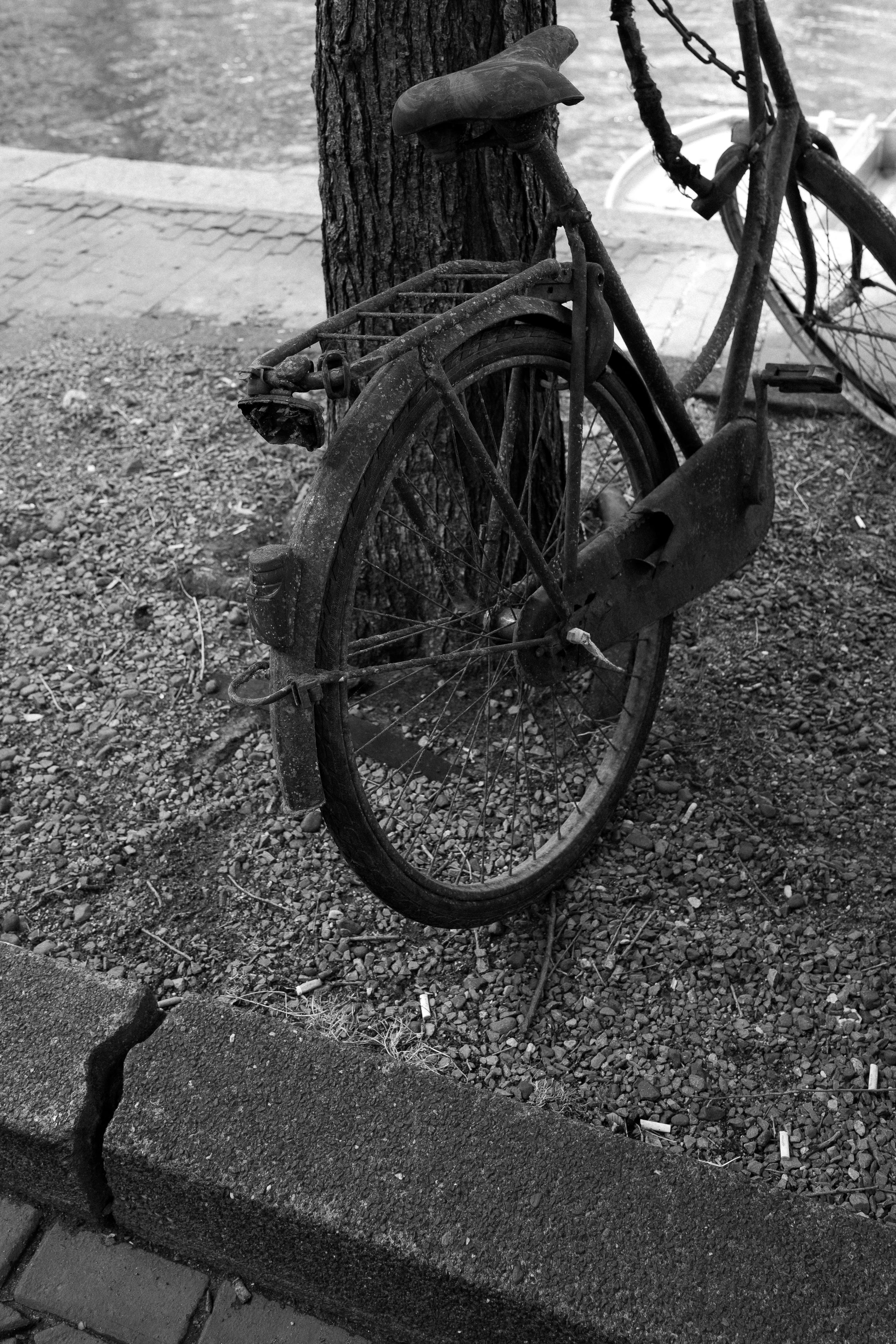
Thousands and thousands (think 12,000-15,000) of bikes can be found underwater in Amsterdam’s canals each year. Whether it’s a drunk person intentionally or unintentionally causing a bike to fall in or an unlocked bike eventually sliding/falling in due to the wind and/or rain, there’s a chance that a “bike fisherman” will pull the bike out of the canal with their hydraulic equipment. // source: DutchReview
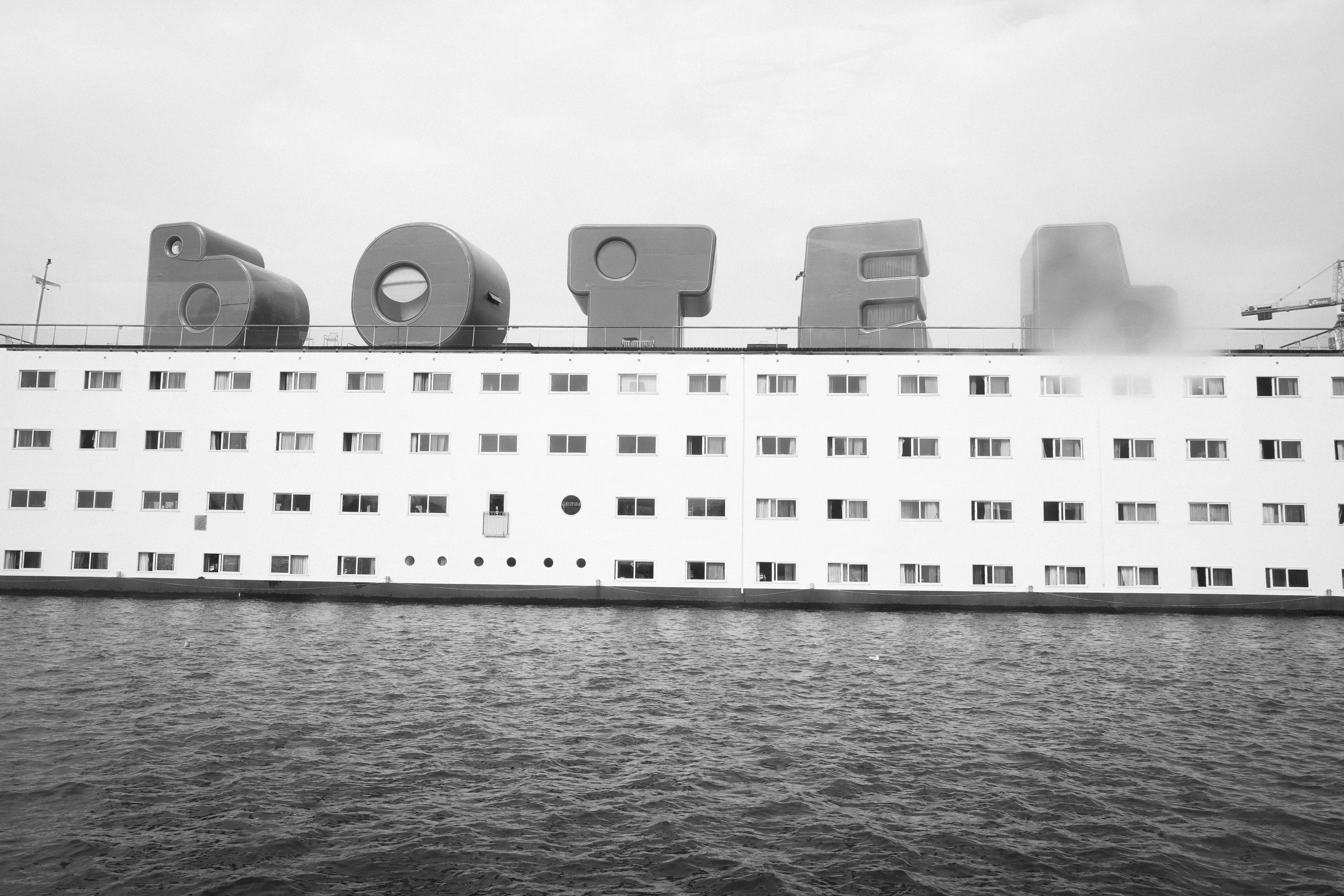
BOTEL, docked on the banks of IJ just north of Central Amsterdam, is both artsy and functional as each “lettered” room has its own small but fully equipped bathroom and toilet. Loft B even has a mini halfpipe in it.. // source: botel.nl / Transworld Skateboarding
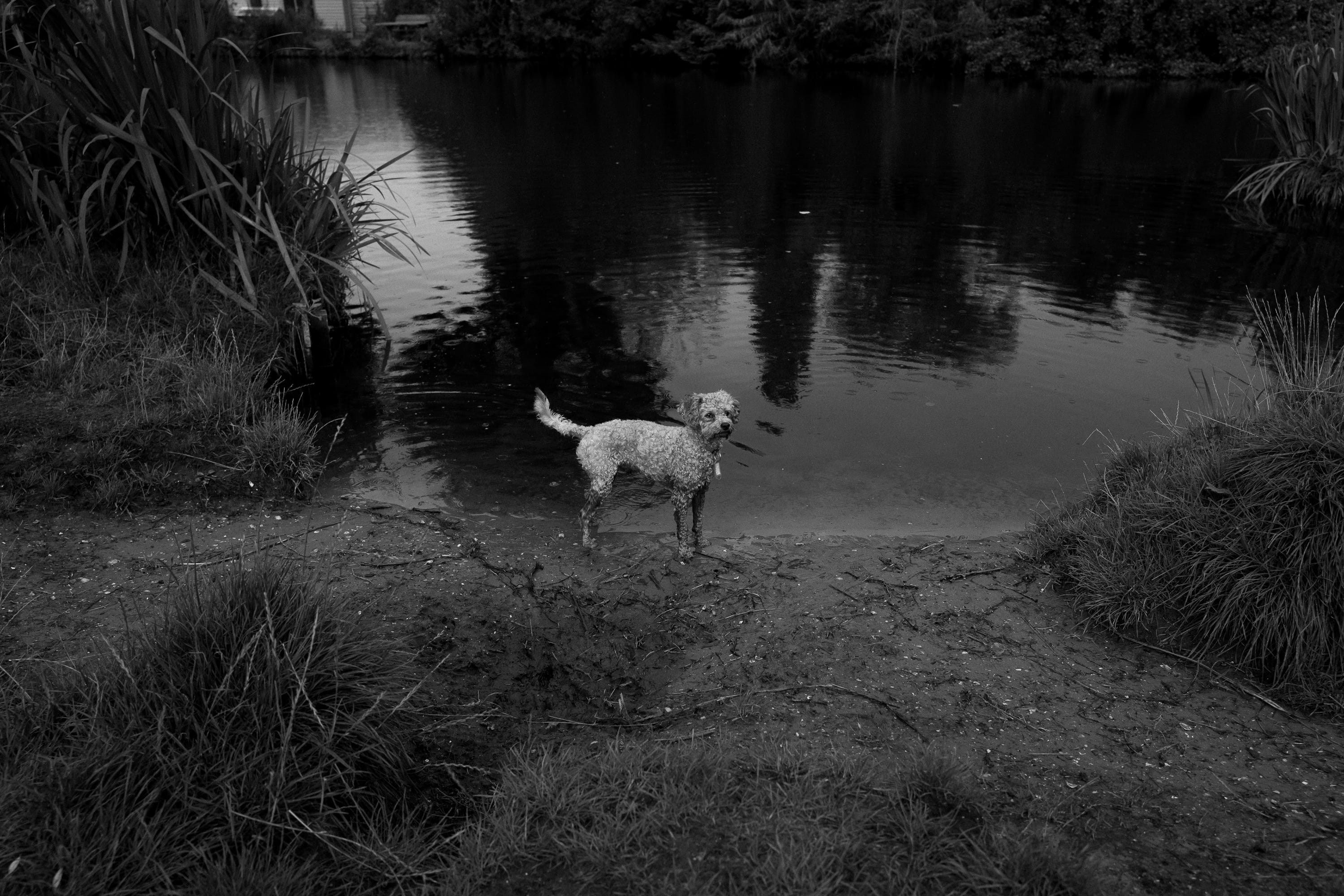
Herman, our co-host for a biking tour around Amsterdam (which was the best experience ever!) // In this photo, Herman is standing right by a pond in Westerpark which was actually the first municipal park of Amsterdam. Before the park and overall rehabilitation of the area took place, this corner of town housed the largest extraction plant in Amsterdam at the time. Nowadays, it is home to a thriving community garden with quaint little cottages, a huge public park, and shops/other forms of entertainment in the repurposed gasworks buildings. // source: I amsterdam






Great visual tour and the info was very interesting.